How to build: ground every role in context
An Artificial Being is only as good as the context it works from. In Chapter one you mapped a role and the work it owns. Now you give that role its senses.
That means connecting the tools it reads and writes, the documents it references, and the shared memory that keeps its decisions consistent over time - so the AB acts from the same picture your team does.
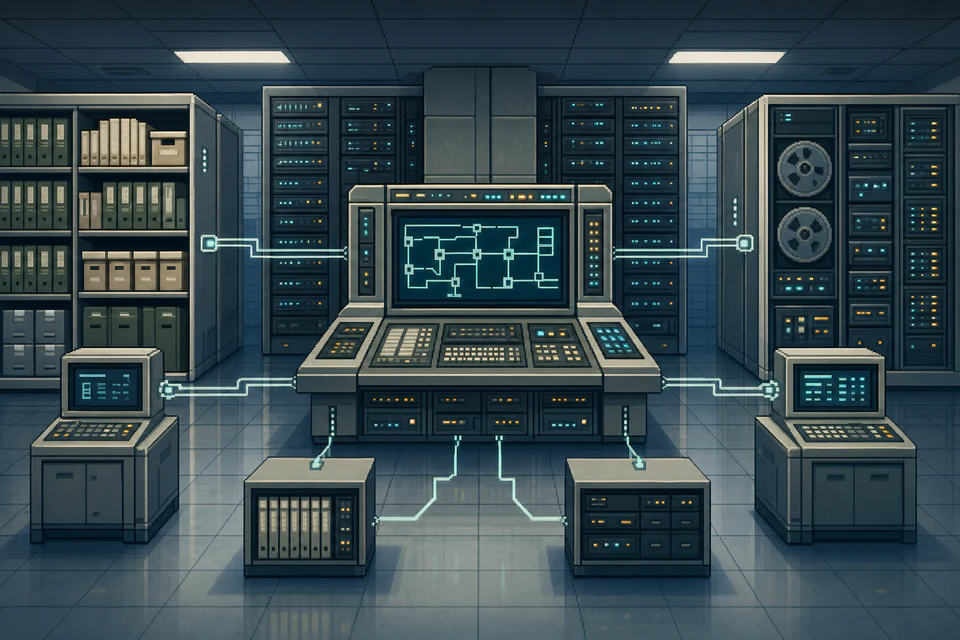
Connect the systems the role touches
Start with the handful of systems the outcome actually depends on - the inbox, the ERP, the ticketing tool, the shared drive. Connect those first. An AB that can see the same records your team sees can do the same reasoning, not a guess at it.
Turn scattered knowledge into shared memory
Most company knowledge lives in places no model can reach: threads, PDFs, portals, and people's heads. LeedAB gathers what a role needs into shared context an AB can use, and keeps it current as work runs.
- Reference material - policies, templates, and standard operating procedures.
- Live records - the systems of truth the role reads and updates.
- Precedent - how similar cases were handled before.
Give the role skills, not scripts
Rather than hard-coding a brittle workflow, describe the outcome and let the AB compose the steps, calling tools and skills as it goes. When the situation changes, the reasoning adapts instead of breaking.
A grounded role can answer "why did you do that?" with the same evidence a good teammate would point to.
Context makes an AB capable. The next question is how much it is allowed to do on its own. That is Chapter three.